
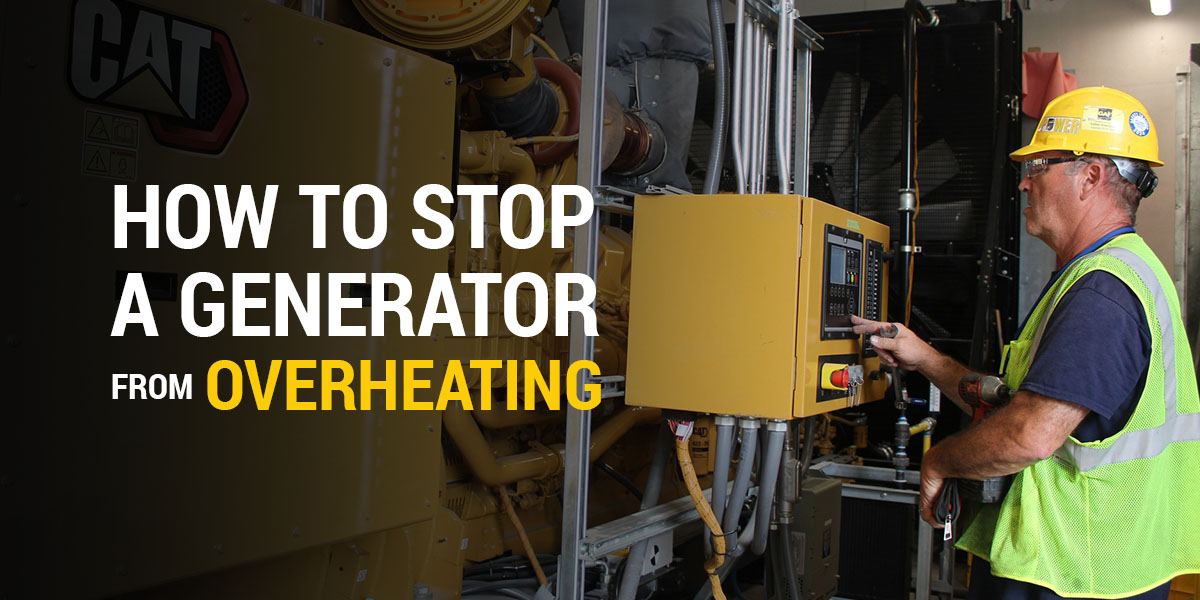
Diesel generators are essential power backup solutions that convert mechanical energy to electrical energy. They’re a reliable solution for plants and facilities looking to supplement their electrical supply or replace their main source during power outages, but they can overheat if improperly managed.
Understanding how to prevent generator overheating is vital for safety and generator reliability.
A generator can shut down from high temperatures for many reasons, including:
The cooling system of a diesel generator typically consists of five main parts — the pump, radiator, thermostat, and inlet and outlet pipes. Coolant circulates throughout the system’s pipes to facilitate heat exchange within the engine, maintaining optimal temperature and pressure. Several things can go wrong in the cooling system, resulting in the generator overheating. Some common issues include:
While industrial generators have considerable power capacity, you should always stay under the generator’s maximum load to avoid straining it. Exceeding the generator’s power capacity leads to overheating because you’re draining more than it can handle. Overloading a generator reduces its expected life span, decreases performance, and causes overheating.
When temperatures become extremely hot, the generator may overheat, reducing its performance and the life span of its components. High altitudes and the resulting air pressure and density drops impair heat dissipation, another cause of overheating.
High humidity is another environmental factor that may cause stress in the generator’s cooling system. In that scenario, there’s no difference between the coolant’s and the generator’s exterior temperatures, making it impossible to dissipate heat.
A generator needs to be maintained proactively to run efficiently without overheating. Some maintenance issues that may result in overheating include:
An overheating generator can result in serious problems that necessitate repairing or replacing certain parts. Sometimes, these costs may be so high that you’ll need to buy a new generator. The losses also increase when overheating causes the generator to shut down. This can leave your business without a power source for hours, resulting in unexpected and significant productivity and financial losses.
Overheating also shortens the life span of the generator, resulting in the need to replace parts sooner. High temperatures start by causing the voltage regulator to fail, which makes the wiring and insulation soften, melt, and even catch fire. Other generator components affected by overheating include:
Here are some of the top tips for preventing the overheating of diesel generators:
Conducting generator servicing according to the manufacturer’s instructions is key in preventing overheating and extending its life span. These are some of the best maintenance practices to focus on to prevent diesel generator overheating:
Correct generator usage prevents overheating, ensures efficient usage, and extends life span.
Purchasing a higher-capacity generator that can handle your business’s needs can help prevent overloading the generator. To choose a diesel engine generator that can handle your capacity, determine the starting watts and energy needed to power your equipment. Otherwise, it might make sense to invest in more than one generator.
If your generator overheats, you can take the following steps:
The following are some of the most commonly asked questions about diesel generator overheating:
The normal operating temperatures for diesel engine generators depend on their specific make and model. Check with your diesel generator dealer or manufacturer to learn more.
The most common causes of high temperatures in diesel generators include cooling system issues, damaged or blocked radiators, and a range of preventable maintenance issues. Overloading or overworking the generator also causes strain and increases the equipment’s heat production.
Overheating causes failure and damage to various parts of the equipment, including the cylinder head and liners, head gaskets, radiator cores, and alternators. Without prompt action, these parts can become permanently damaged, requiring either replacement of the parts or the generator.
Yes, a generator can overheat if you use it overnight. Extended, unsupervised operation can push the unit beyond its intended thermal limits without immediate detection. This is especially likely if it continuously runs in warmer temperatures or under a heavy load. If you need to run a generator overnight, it’s essential to check it at regular intervals to ensure proper ventilation and fluid levels.
Generators can explode, but this is not a common occurrence under normal operating conditions. Electrical malfunctions, severe overheating, and improper fuel handling pose significant fire and explosion hazards. Regularly check your generator’s running temperatures and electrical components. It’s also essential to handle fuel carefully when replenishing fluid levels.
Extreme pressure buildup or a catastrophic pressure buildup can cause a generator to burst. This can occur if you try to push the unit beyond its operational limits, as overloading places immense strain on its components. Bearings may seize, rotors can warp, and the components may rupture or burst. Adhering to the generator’s rated capacity is vital for preventing dangerous incidents.
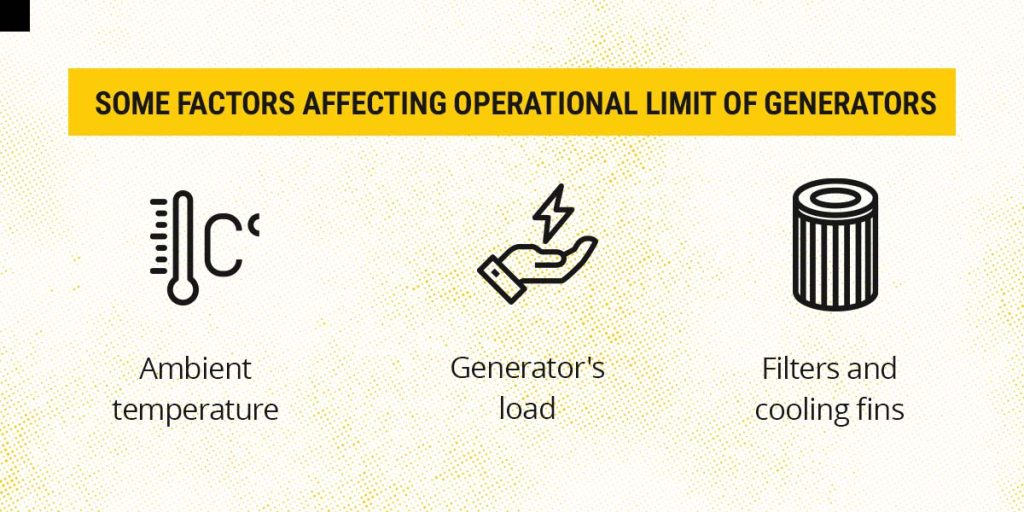
There is no fixed amount of time that generators can run before overheating. A unit’s operational limit depends on factors such as ambient temperature, the generator’s load, and the cleanliness of its filters and cooling fins. A well-maintained generator that operates within its specified load limits and in a suitable environment can operate for longer periods without overheating. Performing regular maintenance and ensuring adequate ventilation can help you get the most operating hours from your generator.
There is no universal temperature limit for all generators, because different models have varying operating tolerances. Checking a unit’s manual is crucial for understanding its temperature limits and guidelines.
These are the following tools, appliances, and accessories you should not plug into a generator:
Buying or renting a high-quality generator is the first step toward minimizing overheating and other problems. At Thompson Power Systems, we offer temporary and permanent power solutions that reliably cater to the power needs of various commercial and industrial facilities.
Our wide selection of diesel generator sets includes Cat® models that boast superior quality, performance and reliability. We also take pride in our unmatched customer support and expert technicians who go above and beyond to deliver top-grade equipment service.
Contact us today for more information about our power system solutions, and find a location near you to get started.

Get the latest product updates and monthly specials
