

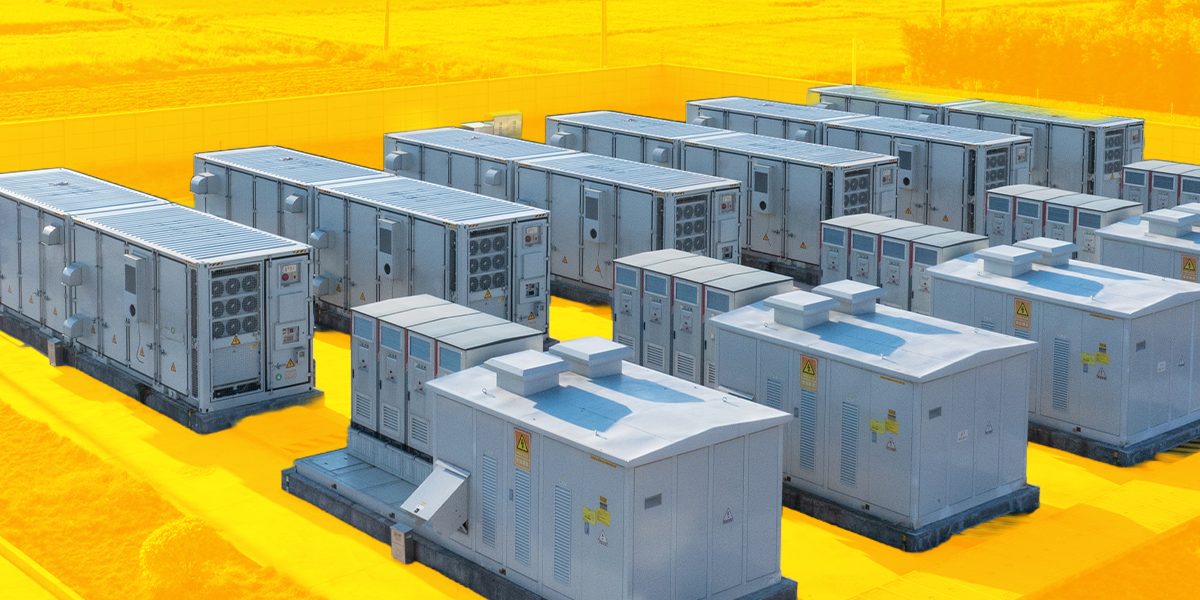
Industrial power outages cause your business immediate financial pain. Traditional diesel generators offer reliable long-duration backup but come with slow startup times, high fuel costs, demanding maintenance schedules, and significant emissions. Stand-alone battery energy storage systems (BESS) respond almost instantly, with zero emissions and silent operation, but their typical two- to four-hour runtime can be risky during extended outages.
Hybrid systems combining Cat® generators with BESS technology close these gaps.
Power disruptions trigger a chain of costly consequences. Lost production time, damaged inventory, missed delivery deadlines, and reputational harm compound into immediate financial losses and long-term risks for your business. Every minute your facility operates without power cuts into your profit margins and weakens customer confidence.
Manufacturing downtime costs fall between $125,000 and $400,000 per hour across most industrial sectors. These figures reflect hard costs, such as halted production lines and idle labor, as well as soft costs, including contractual penalties and expedited shipping fees to meet delayed orders.
Additional expenses add to the total damage. Spoiled perishable goods, process materials that must be discarded, regulatory fines for missed compliance deadlines, and emergency repair costs all stack on top of production losses. If you’re operating on thin margins, a single extended outage can eliminate your entire quarter’s profitability.
Battery energy storage systems and traditional generators each deliver distinct advantages while carrying specific limitations that affect uptime reliability and operating costs.
Traditional diesel and gas generator sets deliver proven high-output power for extended runtime. When grid power fails, these units can operate continuously for days or weeks, limited only by fuel supply.
The biggest advantage is:
Limitations of traditional generators include:
Modern battery energy storage systems offer compelling advantages if you’re prioritizing clean, quiet backup power:
BESS systems do have one notable drawback that can make them unattractive:
The hybrid generator vs. diesel generator comparison looks different when you add BESS to the equation. Combining Cat generator sets with battery energy storage creates an integrated system that eliminates the weaknesses of each stand-alone technology while maximizing their respective strengths.
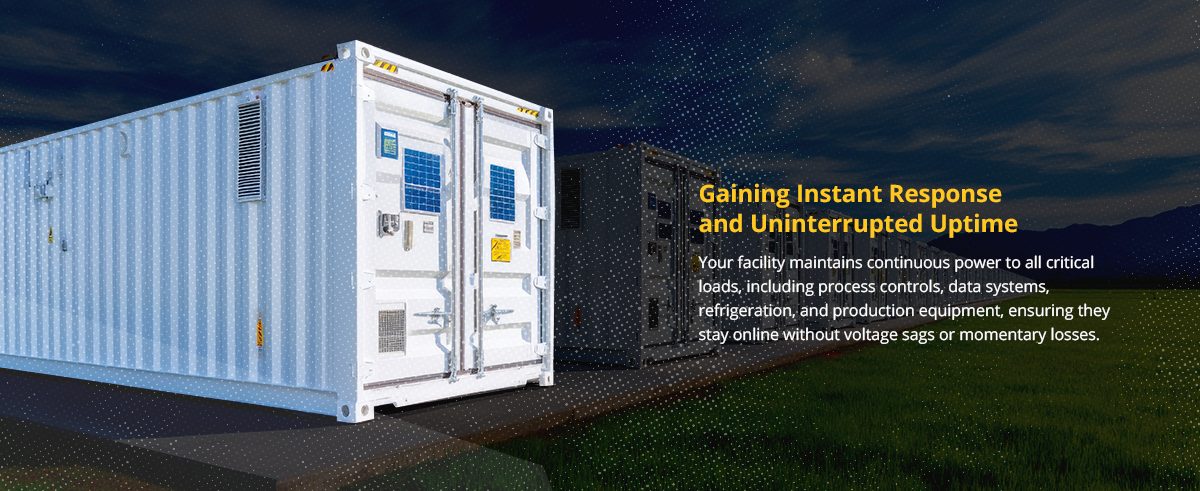
BESS activates the moment grid power fails, delivering seamless backup without interruption. Your facility maintains continuous power to all critical loads, including process controls, data systems, refrigeration, and production equipment, ensuring they stay online without voltage sags or momentary losses.
While BESS handles immediate power needs, the generator set starts in the background. Within seconds, the diesel or gas unit reaches full operating capacity and prepares for long-duration support. The transition from battery to generator power happens automatically, with no disruption to your operations.
An uninterruptible power supply (UPS) with seamless switching maintains uninterrupted power for your most sensitive equipment. This coordinated approach protects against both grid hiccups and extended outages.
Generator sets in hybrid configurations run only during extended outages. BESS handles short interruptions independently, reducing engine hours and fuel consumption. This targeted deployment strategy cuts operating costs while extending the generator’s service life.
If you’re using hybrid systems, you can typically reduce your generator runtime by up to 80% compared to generator-only setups. Your fuel consumption drops between 30% and 50%, depending on outage frequency and load profile. These reductions translate directly into lower diesel costs, fewer oil changes, fewer parts replacements, and extended intervals between major overhaul services.
Overall operating costs decline significantly compared to stand-alone generator dependency. The system pays for itself while improving reliability.
Reduced generator runtime delivers measurable environmental benefits. Lower engine hours result in lower carbon dioxide, nitrogen oxide, and particulate emissions. Your facility’s environmental footprint shrinks while you maintain full backup power capability.
Hybrid systems help you meet corporate ESG targets and regulatory compliance requirements while reducing operational noise and improving air quality. Neighbors notice quieter operations, and your sustainability reports show tangible progress. These improvements support permit renewals and community relations.
Emissions reductions scale with runtime decreases. Cut generator operation by 70%, and you’ll see proportional reductions in annual emissions. This performance supports ESG goals, positioning your facility for future regulatory requirements as environmental rules tighten.
The financial case for hybrid power systems rests on balancing up-front investment against long-term operational savings. Whether you purchase or consider battery energy storage system rental options, understanding the total cost of ownership (TOC) helps justify the decision.
Hybrid configurations balance BESS’s higher initial capital expense against the generator’s lower ongoing fuel and maintenance costs. This combination optimizes both capital expenditure and operating expense over the system’s lifespan.
Your TCO analysis should include fuel savings from reduced generator runtime, maintenance cost reductions, avoided regulatory fines, and potential savings on peak demand charges. Each factor contributes measurable value. Document current generator operating hours, annual fuel consumption, maintenance service costs, and utility demand charges to establish your baseline.
Ten-year TCO calculations show how the BESS capital premium can be offset by substantial operating expense savings. Fuel cost volatility, maintenance service labor rates, replacement parts expenses, and potential carbon taxes all influence the final equation. You’ll see the strongest financial returns from hybrid use if you encounter frequent short-duration outages.
BESS creates value beyond backup power applications. During normal grid-connected operation, your battery system can discharge during high-demand periods to reduce expensive utility demand charges. This peak shaving capability generates ongoing monthly savings.
The financial benefit scales with your facility’s load profile and utility rate structure. If you’re facing demand charges per kilowatt, you can achieve significant annual savings per megawatt of installed BESS capacity. These recurring savings continue month after month, year after year.
Peak shaving transforms BESS from a standby asset into a revenue-generating system. Some utilities offer demand response programs that compensate facilities for reducing grid consumption during peak periods. Your hybrid system can participate in these programs, creating additional income streams while maintaining full backup power readiness.
Hybrid solutions combining a Cat generator and BESS deliver the uptime your facility demands with the efficiency your budget requires. You gain instant backup response, extended runtime for long-duration outages, dramatically lower fuel and maintenance costs, and reduced emissions that support your ESG goals.
Thompson Power Systems has deep expertise in power system design and serves Alabama and northwest Florida with comprehensive rental, sales, and service solutions. Contact us today to speak with a member of our experienced team.


Get the latest product updates and monthly specials